Why we look up before we order anything
An insert is a long-term guest in your chimney. Its vent pipe will run up the middle of the old flue for the life of the unit, and its weight sits on the firebox floor. Before we put a figure on an insert or order one for an El Monte house, we want to know what that chimney looks like from the inside, top to bottom. The way to find out is a Level 2 camera inspection, and on this site it costs $385.
Owners sometimes ask whether this is an extra step they could skip. We see it the other way round: it is the step that makes the insert price real.
What the rules say, in plain terms
NFPA 211, the fire code standard that covers chimneys and the appliances connected to them, sets out three depths of inspection. The middle depth, Level 2, brings in video equipment and takes in the stretches of chimney hidden behind ceilings and inside the roof space. One of the occasions the standard names for a Level 2 is a change to what the chimney serves, such as a new type of appliance or a change of fuel. Turning an open wood fireplace into a gas, wood or pellet insert is exactly that kind of change.
So the camera visit is not something we invented to add a line. It is what the standard expects at this moment, and it protects you as much as us.
What the camera looks for when an insert is the plan
A Level 2 before an insert is aimed at the questions the install raises.
Flue size and shape. We need the inside dimensions of the old clay flue, and whether it runs straight or has an offset, so we know the vent pipe for your chosen unit will pass.
Tiles and joints. Cracked or shifted clay tiles can snag a liner on its way down. They also tell us how the chimney has been treated over the years.
The smoke chamber and damper throat. This is the tight spot just above the firebox where the vent has to squeeze past the old damper. Rough brick or a heavy damper frame changes the labour.
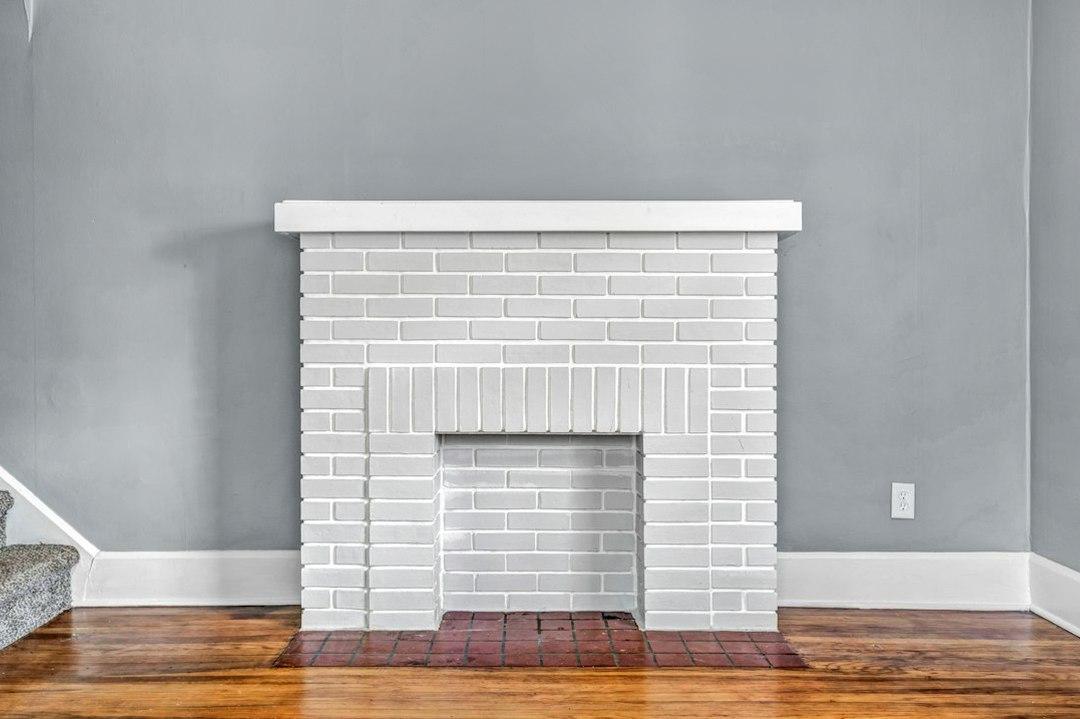
The firebox itself. We measure width at front and back, height and depth. The insert has to fit, and its surround has to cover the opening.
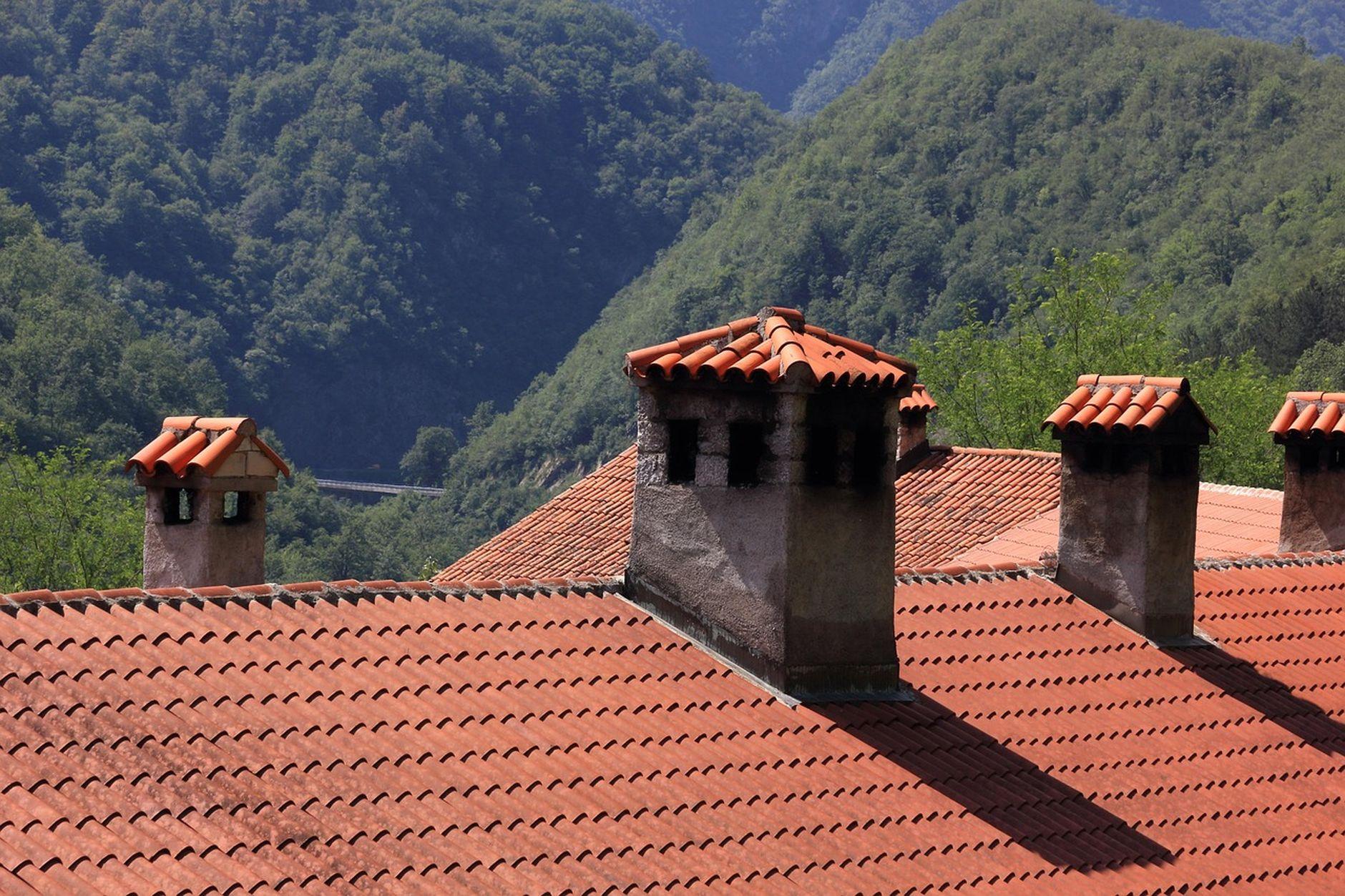
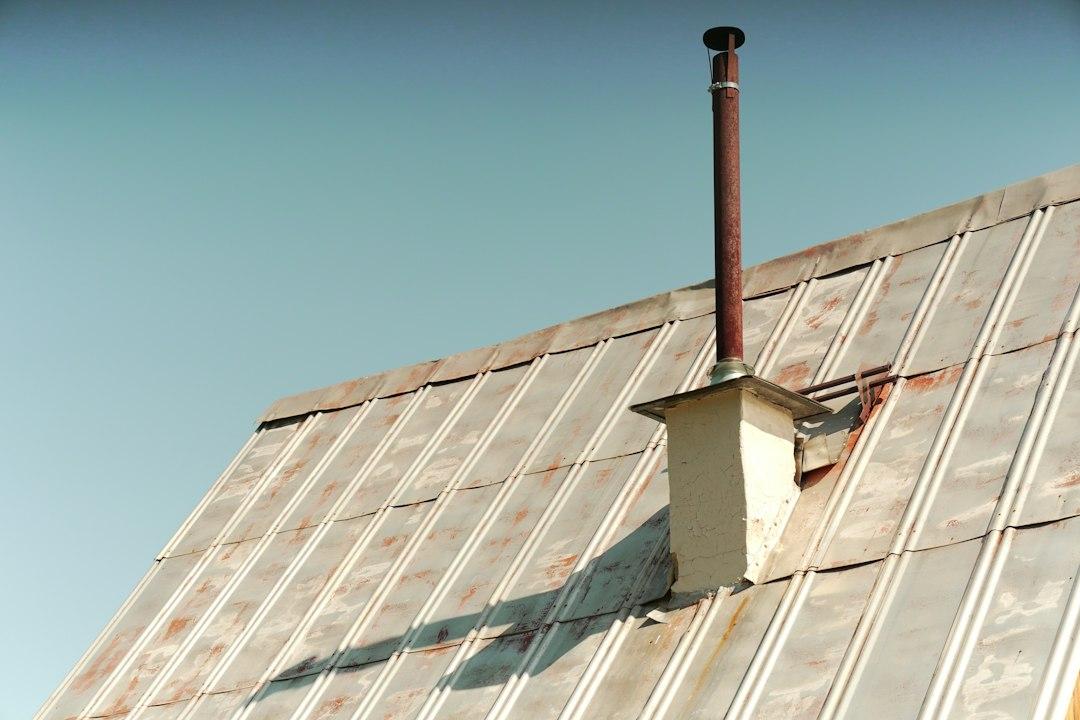
The roof end. The crown, the brick above the roofline and the flashing where the chimney meets the roof. The liner will be sealed and capped at the top, and that only works on a sound crown.
Clearances. Where wood framing or a wood mantel sits near the firebox or the chimney, we note it, because the unit you pick has its own clearance rules.
How findings change the plan
Most chimneys we inspect before an insert are fine to proceed, sometimes with a small fix first. The report tells you which of three paths you are on.
- Go ahead. The flue, firebox and top are sound. We price the insert you chose.
- Fix, then go ahead. Something small needs doing first, such as a cracked crown or a missing cap. A new cap is quoted after we measure. Other items are written up on paper.
- Rethink the plan. The firebox is too shallow for most units, the flue is too narrow for the vent the unit calls for, or the brick above the roof needs rebuilding. We explain the options, which might be a different unit, a different fuel or a gas fireplace on another wall, which runs $4,400 to $8,850.
Knowing which path you are on before you buy saves the worst outcome: a unit delivered to the house that cannot go in.
Book the camera check for your insert plan and tell us whether you are thinking gas, wood or pellet. The report will speak to the fuel you name.
Quakes and older chimneys around El Monte
Many chimneys in this part of the San Gabriel Valley have been shaken more than once. The 1987 Whittier Narrows quake struck a few miles from El Monte, and the 1994 quake was felt across the whole county. A chimney can look straight from the yard and still have cracked tiles or loose brick inside the flue or just above the roofline. The camera finds that kind of hidden damage, which is one more reason to look before you load a new appliance onto an old stack.
What you receive
After the visit you get a written report with photos: each part of the chimney named, what we found, and what it means for the insert. Where a repair is needed and we have a published price, we name it. Where we do not, we measure and send a written figure. If you are going ahead, the insert quote follows with the vent sized to what the camera saw.
How this fits with the other posts
If you have not chosen a fuel yet, Wood, Gas or Pellet Insert? compares them. For the price of a gas unit, see Gas Insert Cost in El Monte. For the vent pipe, see Insert Liners: What You Pay For. Our Level 2 inspection page describes the visit in more depth.
Start with the camera
Reach us through the contact page and say the inspection is ahead of an insert. We will set the visit, run the camera and send the report with a clear answer on what comes next.
Get Your Own Options Sheet
Chalmers measures the opening, checks the flue with a camera and writes up each route that fits your fireplace, priced line by line. We work out of El Monte and cover Baldwin Park, Monrovia, Pico Rivera and the towns around them.