The figure, then the reasons behind it
Chalmers Chimney Company puts a gas insert into an El Monte fireplace for $2,750 to $5,500, fitted, vented up the chimney and lit. That range covers most living rooms we see between the 605 and the 10. Where a particular house lands inside it comes down to a handful of things you can mostly see before anyone climbs a ladder, and this post walks through them so the quote you get makes sense when it arrives.
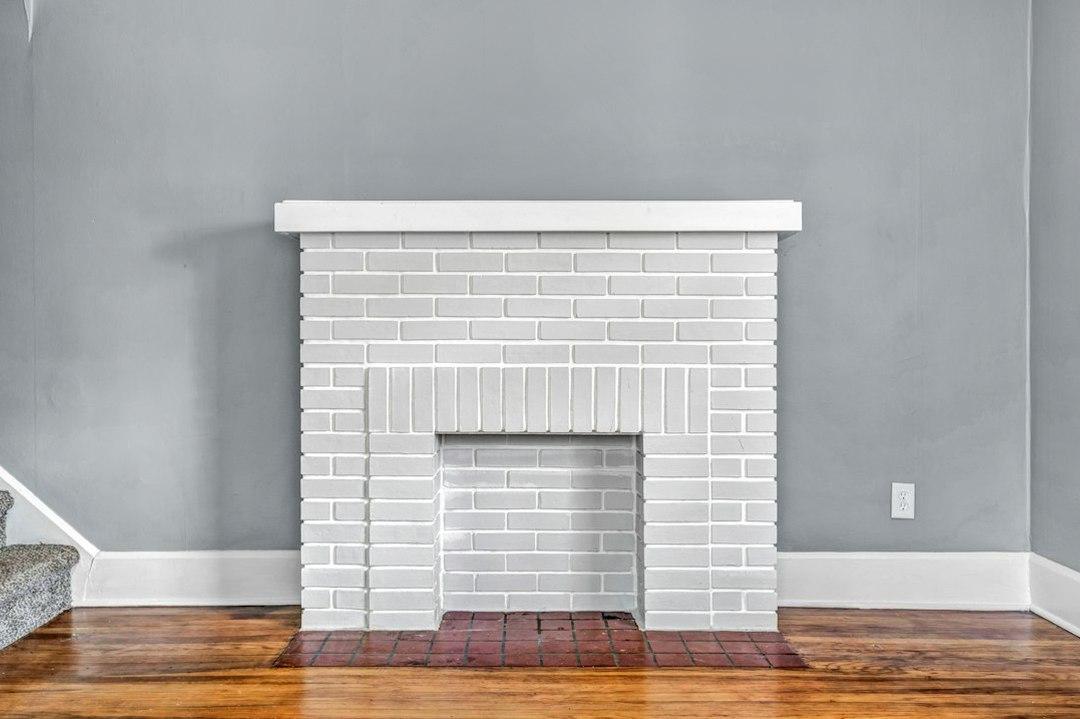
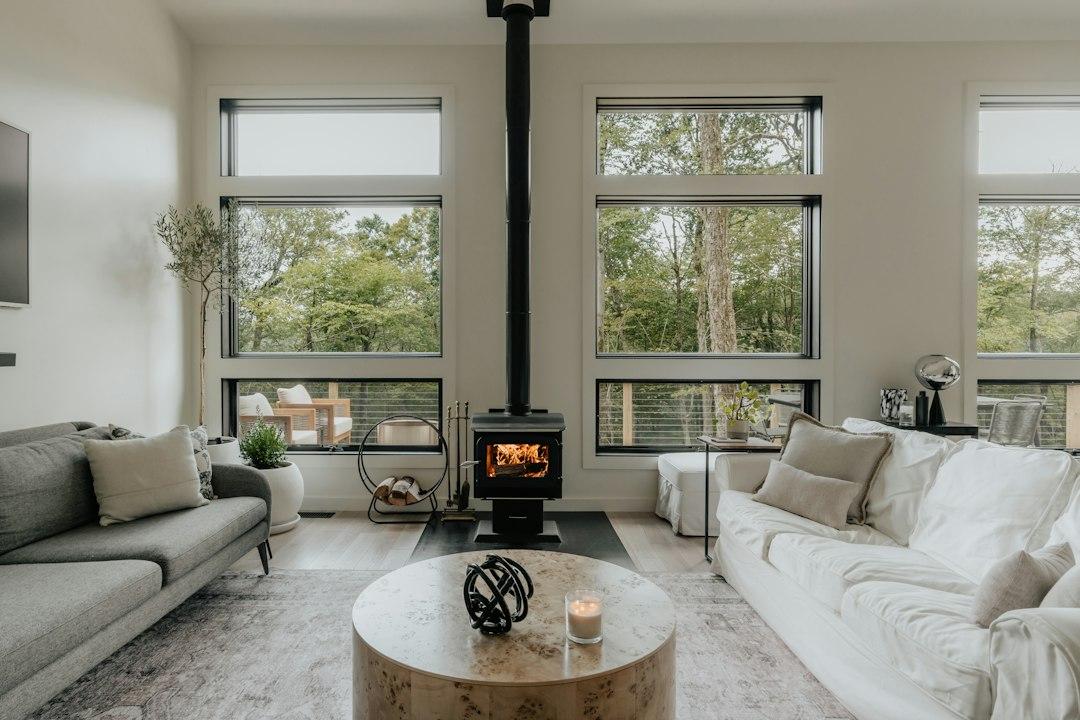
The reason people call us is almost always the same. An open masonry fireplace looks good and heats badly. On a cold January night most of the warmth goes straight up the flue, and the draft pulls heated air out of the rest of the house along with it. An insert is a sealed steel box with a glass front that sits inside the old firebox, burns gas behind the glass and pushes heat back into the room with a fan. It turns a decoration into a heater.
Five things that move the price
The size and shape of the firebox. Inserts come in widths and depths, and each one needs a minimum opening to slide into. Many houses built in El Monte after the war have shallow fireboxes. A shallow box narrows the list of units that fit, and the units made for tight spaces can cost more than a standard model of the same output.
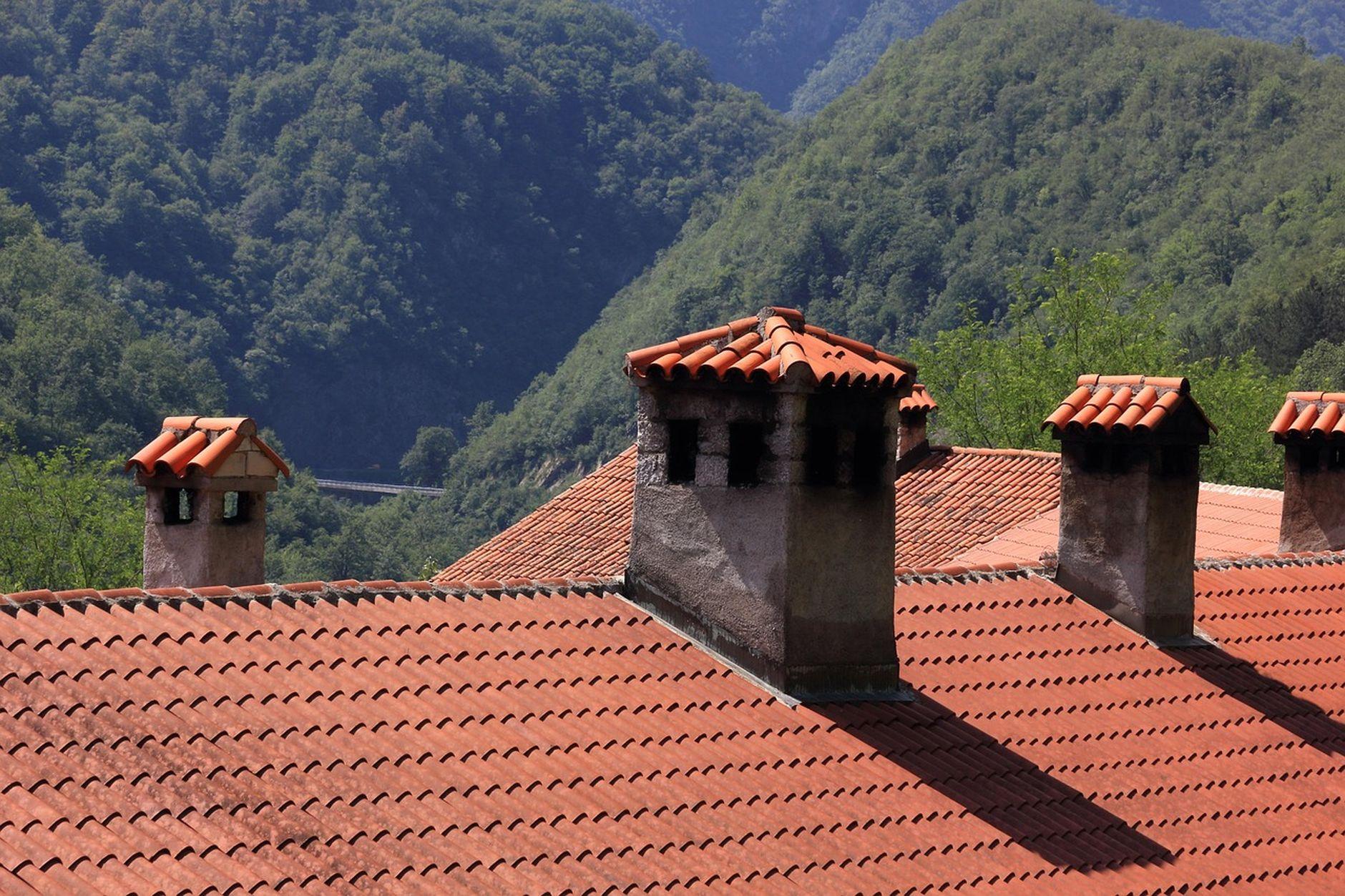
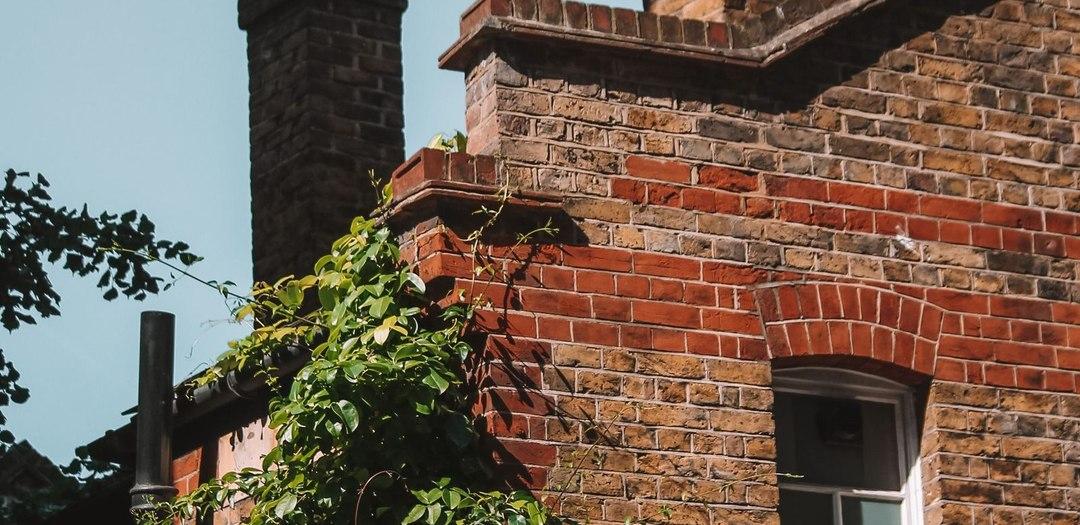
How tall the chimney is. Every insert vents through its own stainless pipes that run from the top of the unit to the top of the chimney. A single storey ranch house needs a shorter run than a two storey house with the chimney rising past the upper roof. More pipe and more time on the roof push the figure up.
Whether gas already reaches the hearth. A lot of older fireplaces have a log lighter: a small gas pipe with a key valve on the side of the firebox. Sometimes that line is big enough to feed an insert. Sometimes it is too small, or there is no gas at the hearth at all, and a new line has to be run from the meter or the nearest branch. That is often the single largest swing in the price.
Power for the fan. The blower that pushes heat into the room needs an outlet. If there is no outlet near the fireplace, one has to be added, usually behind the surround or under the hearth.
The unit you choose. Heat output, fan strength, remote or wall control, the size of the trim around the glass and the style of the log or stone set inside it all change the price of the box itself. We show you two or three units that fit your firebox and say what each one adds.
What sits outside the range
The range covers the insert job itself. A few things can come up that are priced on their own:
- Repairs the camera finds before the install, such as a cracked crown or a missing cap.
- Changes to the mantel, the surround or the hearth face if you want the room to look different around the new unit.
- City permit fees for the gas work, where the building office for your address asks for a permit.
We put each of those on its own line, so the insert figure stays readable and you can decide on the extras one at a time.
Our prices for the jobs around an insert
| What we do | Price |
|---|---|
| Camera trip up the flue before we order a unit | $385 |
| Gas insert fitted into the firebox you have, vented and lit | $2,750 to $5,500 |
| Gas fireplace built on a wall that never had one | $4,400 to $8,850 |
| Stainless top cover over the finished chimney | quoted after we measure |
The camera inspection comes first for a reason. An insert vent runs the full height of the chimney, so we need to know what that chimney looks like inside before we promise a price. You can read more about that visit in Camera Check Before an Insert.
Ask for an insert price and tell us how many storeys the house has and whether you have seen a gas key beside the fireplace. Those two answers let us bring the right parts list to the first visit.
How to read two insert quotes side by side
If you collect more than one quote, put them next to each other and look for these lines. A quote that leaves them out is hard to compare.
- The maker and model of the insert, and its heat output.
- The vent: the diameter and material of the pipes and how far they run.
- Who runs or checks the gas line, and whether it is included.
- What happens to the old damper, which sits in the path of the vent pipes.
- Whether an outlet for the fan is included.
- How the gap between the insert face and the old brick opening is closed.
- Whether a city permit applies and who applies for it.
- What you receive at the end: the manual, the model and serial number, and a walk through of the controls.
A low figure that skips the gas line or the vent often grows once work starts. A clear quote names everything up front.
Is a gas insert right for your room?
A gas insert is the most common choice in El Monte for good reasons: no wood to store, no ash, no smoke on the patio, and no question about burn days, since the air district's winter no-burn alerts apply to wood and not to gas. It lights from a switch or a remote and holds a steady heat.
It is not the only route. If you want the crackle of wood, a wood insert does the same heating job with a different fuel. If you mainly want the look of a fire and rarely need the heat, a gas log set costs less and keeps the open fireplace. We compare those options in Gas Logs or a Gas Insert? and Wood, Gas or Pellet Insert?.
For houses with no fireplace at all, a gas fireplace can be built into an outside wall with its own vent. That is the $4,400 to $8,850 row in the table, and it is a bigger job with framing and finish work.
See the fireplace inserts service page for what the install visit involves, or the Level 2 inspection page for the camera visit that comes first. We work across El Monte, Baldwin Park, Monrovia and Pico Rivera.
Where to start
The first job is to measure your firebox and look up the flue. Head to the contact page, say you are pricing a gas insert, and we will set up that visit and send you a written figure afterwards.
Get Your Own Options Sheet
Chalmers measures the opening, checks the flue with a camera and writes up each route that fits your fireplace, priced line by line. We work out of El Monte and cover Baldwin Park, Monrovia, Pico Rivera and the towns around them.